Mechanical and Materials
Engineering Department
Portland
State University
Senior
Year Capstone Design Experience
Information
for Sponsors
Overview
The
objective of the capstone design courses is to prepare students for a design
career. In the capstone course sequence students
learn about the design process, identifying and interviewing customers,
developing the product design specifications, developing engineering
specifications, performing benchmarking and setting performance targets, performing
parametric analysis, developing house of quality, performing external and
internal searches for solutions, and making decisions about best options. The students learn about teamwork processes
and project management techniques. They
learn about team dynamics, conflict resolution, team decision-making methods,
how to conduct formal team meetings and keep team records, and how to divide
tasks efficiently. Capstone projects
must have sponsors or affiliates outside of the university. Students learn to interact with clients, make
presentations in class and to clients, and learn to write design reports. Finally, students are required to make
physical prototypes of the devices they design and test them to verify that
design requirements are met. For more
information about these topics, you may refer to the following web site:
http://web.cecs.pdx.edu/~far/
Capstone Projects
Capstone
projects must have industrial sponsors or be a part of an organized
professional society design competition.
In order to fulfill the requirements
of the class, projects must allow the
design teams to have ample opportunity to create alternative solutions and make
decisions based on objective information.
Generally,
capstone projects must have all the following three components:
·
Design
Content - Creative exploration of alternative designs and methods for
synthesizing the product.
·
Analysis
Content - Application of the analysis methods developed in some previous
engineering or science classes in support of design decisions.
·
Verification
- Must
include prototype building.
Typically
strong projects usually include:
·
Mechanical or thermal testing
devices
·
Automation equipment
·
Safety devices
·
Special processing equipment
·
Exploratory products
·
Projects related to clean energy or
sustainability
Typically
weak projects usually involve one of the following:
·
Projects with strict deadlines
·
Project that use sponsor’s
proprietary technology
·
Active projects being worked on by
other engineers in the company
·
Large scale facility designs
·
Projects with excessive prototyping
cost
·
Strictly fabrication projects
·
Projects involving extensive
experimentation and research
·
Software design
·
Design of devices unrelated to
mechanical engineering training
·
Projects that require signing NDA
(Non-Disclosure Agreement) forms
One
way of identifying suitable capstone projects is to set up meetings with a
group of engineers who could brainstorm on such potential projects. The MME capstone coordinator can be invited
to these meetings to provide his opinion regarding the suitability of the
proposed projects and adequacy of their scope.

Surgical Robot – Sponsored by OHSU
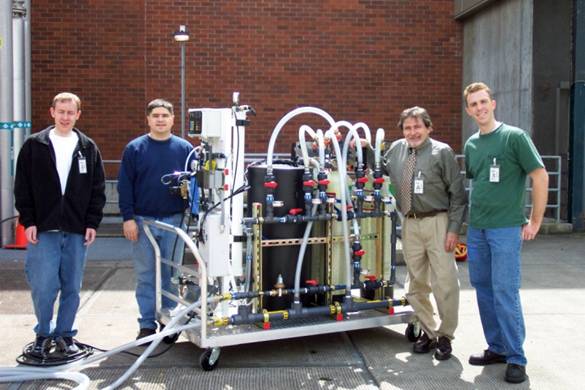
Industrial Water Treatment – Sponsored by Intel
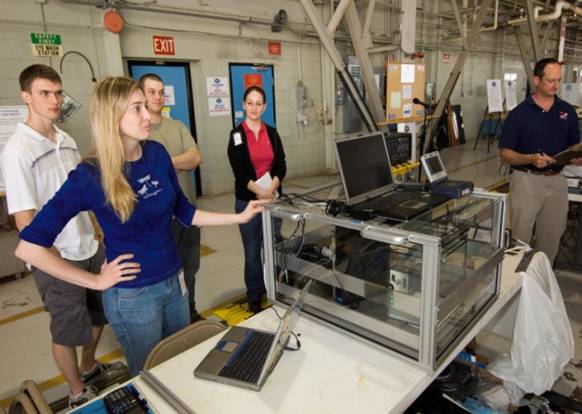
Two Phase Flow – Sponsored by NASA
Expectations
from PSU teams and Sponsors
The students often do a good job on
their design projects but there are no guarantees that they would be able to
deliver what they intended to deliver.
The role of the industry advisor is
to provide information and guidance to the students rather than driving and
managing the project. This usually
translates into one to two hours of contact each month from November to June.
All teams are required to prototype and test some aspects of their
designs. It is informally agreed that
sponsors would provide some resources for prototyping and testing of the
designs unless the designs are unacceptable to the sponsor. Prototypes need not be full-scale and its
scope is determined by the sponsor.
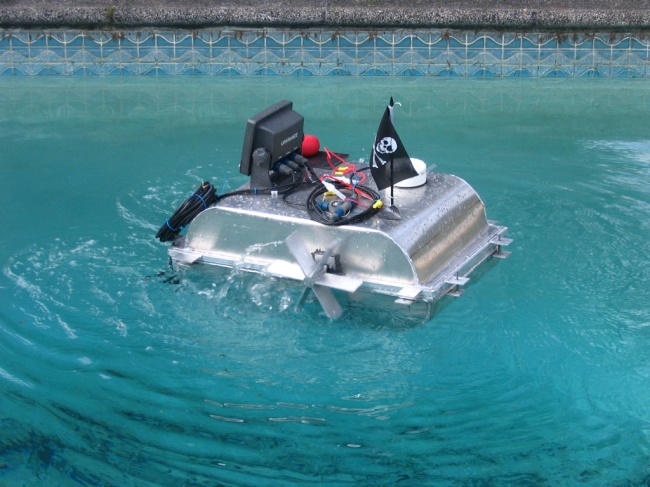
Volcanic Lake ROV – Sponsored by PSU Biology Dept
Capstone Calendar
The
capstone experience is made up of three classes: ME 491 in Fall term, ME 492 in
Winter term, and ME 493 in Spring term. Generally,
capstone teams and projects are selected during the Fall term. In the Winter term the teams engineer their
solution concepts into detailed production specifications. In the Spring term, teams work on prototyping
and performance verification of their designs.
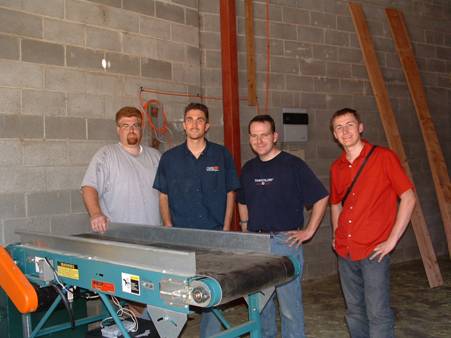
Elephant Enrichment Project – Sponsored by Oregon Zoo
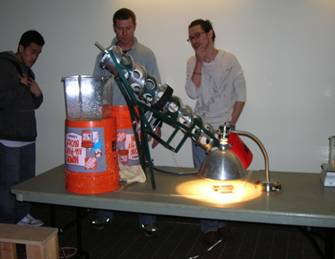
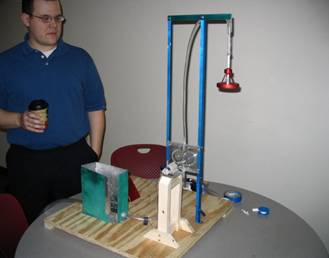
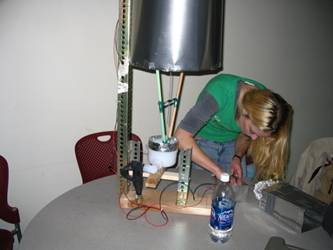
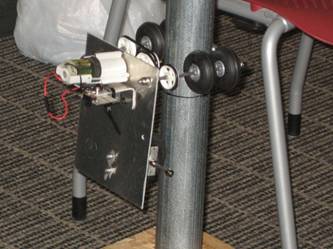
ME
491 Mini Project Competitions (from top left): Solar Water Pump, Solar Water
Pump, Solar Water Pump and Pole Climber
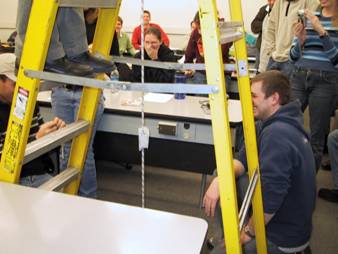
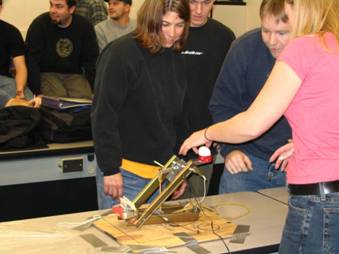 Mini Project: Rope Climber Mini Project: Egg Launcher
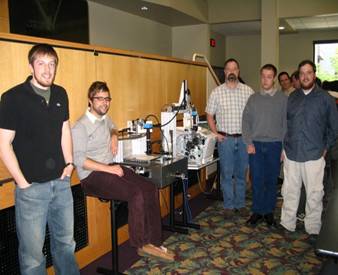
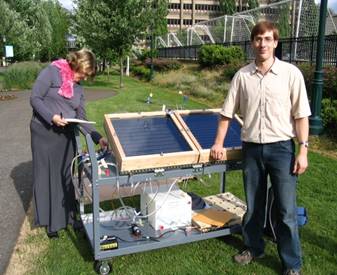
Inkjet
Printer Microscope – Sponsored by Xerox
Solar Energy Demonstration Kit
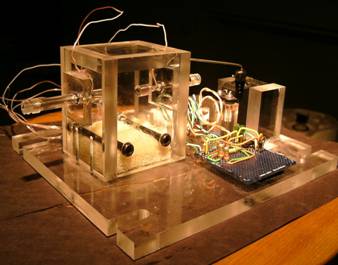
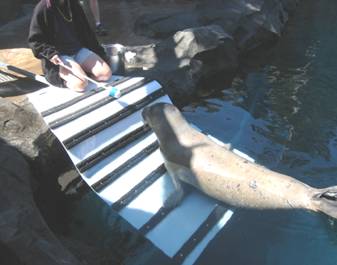
Two-Phase Flow
– Sponsored by NASA Mira’s Ramp – Sponsored by Oregon Zoo
Intellectual Property Rights
If asked, our students usually have
no problems signing “non-disclosure” agreements but this is up to the
individual students. The students, however,
must make in-class presentations and write progress reports about their
projects. It is also up to the students
to agree giving up the patent right should their work result in a patentable
product. According to guidelines and
policies of the university, PSU does not claim any ownership of IP resulting
from undergraduate capstone projects.
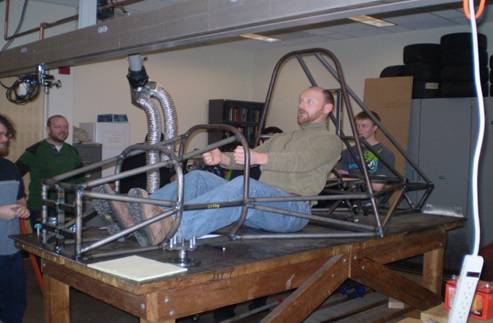
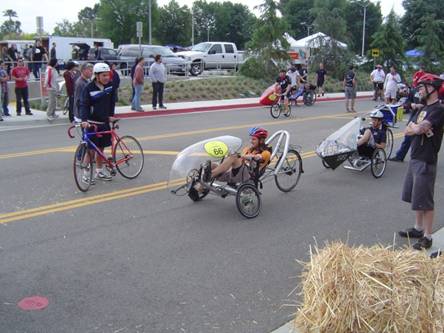
HPV
– Sponsored by ASME
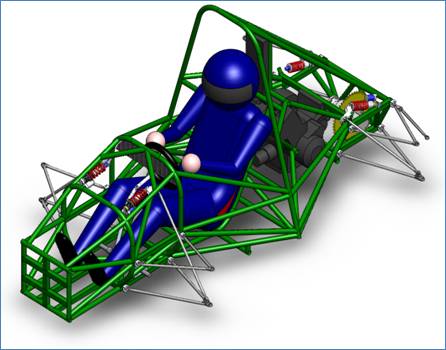
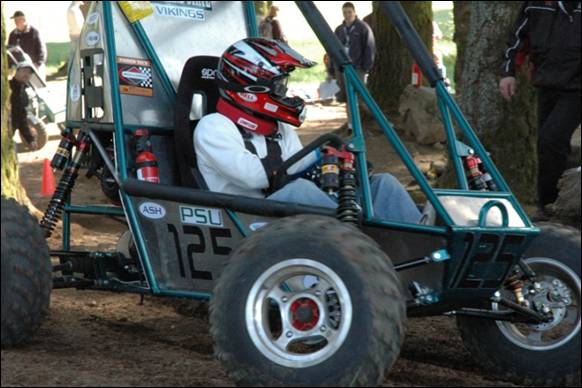
FSAE – Sponsored by SAE